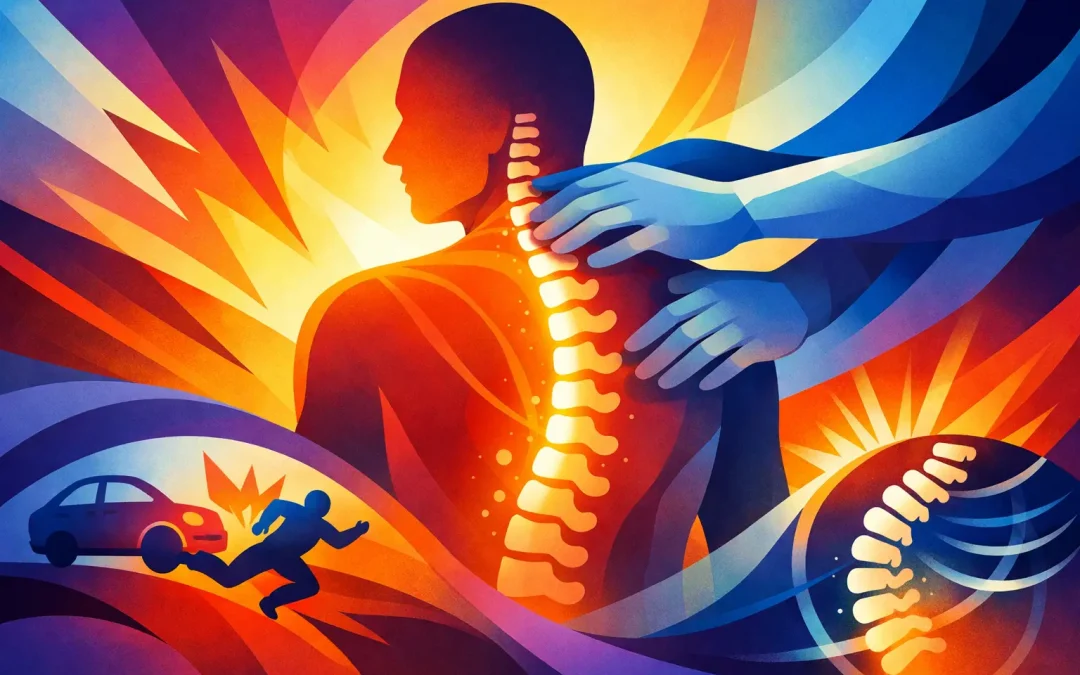
A collision can leave you shaken, sore, and unsure what to do next. Even when a vehicle has minor damage or you walked away from the scene, neck pain, headaches, low back pain, stiffness, numbness, and sleep problems may appear hours or days later. A personal injury chiropractor helps identify accident-related injuries early, begin appropriate treatment, and create medical records that reflect what you are experiencing.
At Atlas Injury Center, the focus is not simply on making pain disappear for a day. It is on understanding how the accident affected your body, treating the injury, restoring movement, and guiding you through a recovery plan that makes sense for your health and your case.
Why accident pain can show up later
During a crash, the body reacts fast. Muscles brace, the head and spine move suddenly, and joints can be forced beyond their normal range of motion. Adrenaline may mask pain at first. By the next morning, inflammation and muscle guarding can make ordinary movements feel difficult.
Rear-end crashes often cause whiplash-type injuries, but any impact can affect the neck, back, shoulders, hips, knees, or jaw. A side-impact collision may place uneven force through the spine and pelvis. A low-speed fender bender can still aggravate discs, joints, and soft tissue, particularly if you already had arthritis, a prior injury, or chronic pain.
Do not assume delayed pain means the injury is minor. It also does not automatically mean something severe is wrong. It means you need a qualified evaluation instead of guessing, waiting, or trying to push through symptoms that are changing your daily life.
What a personal injury chiropractor does after a crash
A personal injury chiropractor evaluates how an accident may have affected your spine, muscles, joints, posture, and mobility. The first visit should begin with a detailed discussion of the crash, your symptoms, prior injuries, work demands, and activities you can no longer do comfortably.
Your provider may perform range-of-motion testing, orthopedic and neurological evaluations, postural assessment, and other clinically appropriate examinations. If your symptoms suggest that imaging, specialist care, or emergency treatment is needed, a responsible clinic will make the right referral. Chiropractic care is part of the recovery picture, not a substitute for emergency care when emergency care is needed.
Once your condition is understood, treatment may include hands-on chiropractic therapy, physical therapy, therapeutic exercise, massage therapy, spinal decompression, clinical Pilates, and rehabilitation equipment designed to rebuild strength and function. The right combination depends on your diagnosis, pain level, medical history, and recovery goals.
The goal is progression. Early care may focus on calming pain and inflammation while protecting injured tissues. As movement improves, treatment should shift toward stability, flexibility, strength, and safer return to work, driving, exercise, and family responsibilities.
Treatment should be personal, not automatic
No two accidents affect the body in exactly the same way. Someone with acute neck stiffness after a rear-end collision may need a different plan than a delivery driver with low back pain, leg tingling, and repetitive lifting demands. A patient with an old sports injury may need extra attention to a previously vulnerable area.
Be cautious of any office that promises the same treatment schedule for every patient before conducting a thorough examination. You deserve clear answers about what is being treated, why it is being treated, how progress will be measured, and when another provider should be involved.
Why prompt evaluation protects more than your comfort
Waiting can make recovery harder. When pain changes the way you sit, sleep, walk, or work, other muscles begin to compensate. That compensation can create additional strain and make a straightforward injury more complicated over time.
Prompt care also creates a clear medical timeline. After an auto accident, insurance companies may question whether symptoms are related to the collision when there is a long gap before your first examination. Accurate records of your complaints, examination findings, treatment recommendations, progress, and referrals help connect the medical facts to the event that caused them.
For Florida drivers, timing may also affect available Personal Injury Protection benefits. There are important deadlines that can apply after a motor vehicle accident. Your clinic can explain the medical care process and document your treatment, while an attorney can advise you on legal rights, insurance issues, and deadlines specific to your situation. Do not make a mistake with your health or your case by waiting until pain becomes unbearable.
What documentation should include
Good documentation is not about exaggerating pain. It is about being specific and truthful from the beginning. Tell your provider where you hurt, when symptoms began, what makes them worse, and what activities have changed since the crash.
For example, “my back hurts” is less useful than explaining that you cannot sit through a work shift, you wake up when turning in bed, or pain travels into your leg when you climb stairs. Mention headaches, dizziness, concentration changes, anxiety while driving, numbness, weakness, disrupted sleep, and difficulty caring for children. These details help guide treatment and provide a more complete record of how the injury is affecting your life.
Keep attending recommended appointments whenever possible. Missed visits and long unexplained gaps can interrupt your rehabilitation and create confusion about whether symptoms improved, worsened, or were left untreated. If transportation, work schedules, or another barrier makes care difficult, say so early. A patient-centered clinic should help you understand your options.
When chiropractic care is appropriate and when to seek emergency help
Chiropractic and rehabilitation care can be valuable for many musculoskeletal injuries after an accident. However, some symptoms require emergency evaluation first. Call 911 or seek immediate emergency care for severe or worsening headache, loss of consciousness, confusion, trouble speaking, chest pain, shortness of breath, severe abdominal pain, sudden weakness, loss of bladder or bowel control, or significant bleeding.
You should also tell your provider about blood thinners, osteoporosis, cancer history, recent surgery, pregnancy, previous spinal procedures, and any serious medical condition. These factors can change what treatment is appropriate. Direct communication protects you.
A qualified injury clinic will not ignore red flags to keep you in treatment. It will coordinate with primary care physicians, imaging centers, pain-management providers, orthopedic specialists, neurologists, and attorneys when appropriate. Your recovery may require more than one type of professional support.
Questions to ask before choosing an injury clinic
After a crash, patients are often in pain and under pressure from insurance calls. Still, take a moment to ask practical questions. Does the clinic regularly treat auto accident injuries? Will the doctor explain your diagnosis in plain language? Are multiple rehabilitation services available under one roof? Does the office accept your insurance and help you understand the process? Can the team communicate clearly with your other medical providers?
Experience matters because accident injuries involve both clinical judgment and careful records. A clinic familiar with personal injury care understands that treatment plans need to be medically appropriate, consistently documented, and adjusted as your condition changes. It should never treat you like a claim number. You are a person trying to get back to your normal life.
Your next step after an accident
If you have pain, stiffness, headaches, reduced mobility, or symptoms that started after a car accident, call for an evaluation right away. Bring your insurance information, accident details if you have them, a list of medications, and any records from urgent care or the emergency room. Most importantly, be honest about what you feel and what you cannot do.
The first days after a crash can feel confusing, but you do not have to figure it out alone. Getting examined, following a treatment plan, and speaking up when symptoms change gives your body the attention it needs and gives your recovery a stronger foundation.