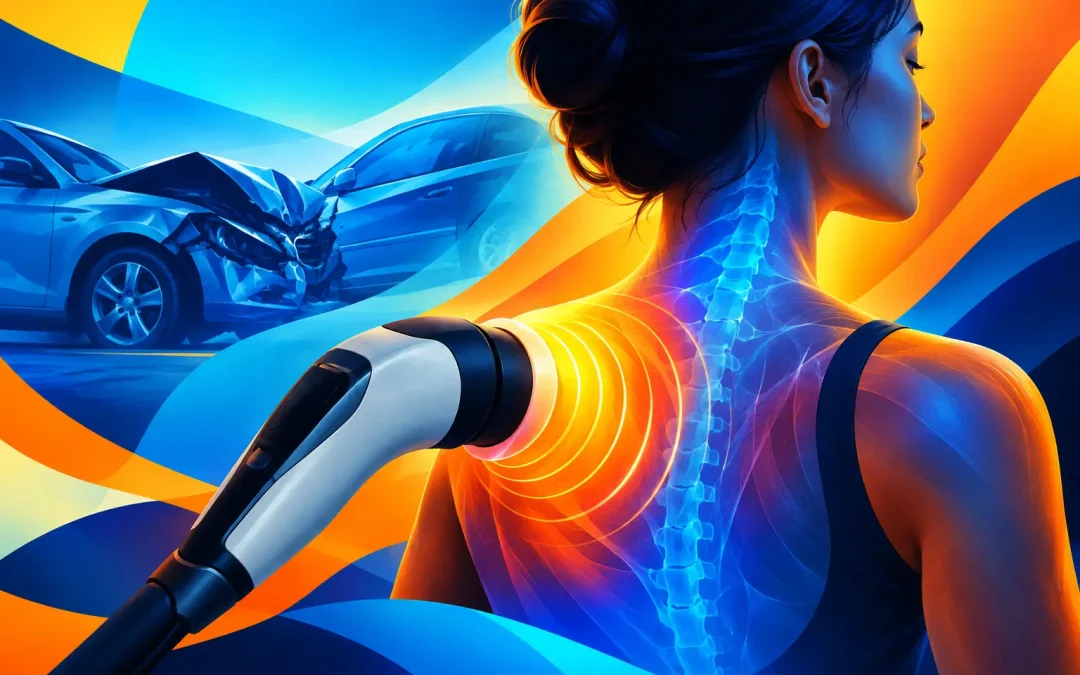
A crash can leave you hurting in places you did not notice at the scene. Neck stiffness, low back pain, shoulder pain, and a deep ache around an injured joint may build over the next several days. StemWave therapy treatment is one option that may be considered as part of a medically guided rehabilitation plan, but it is not a substitute for a proper injury evaluation.
At Atlas Injury Center, we look at the full picture: what happened in the collision, where your pain is located, how your movement has changed, and whether symptoms suggest you need additional imaging or medical care. The goal is not to chase a quick fix. It is to identify the source of your pain, document your injuries clearly, and create a plan that supports a safe recovery.
What Is StemWave Therapy Treatment?
StemWave is a noninvasive therapy that uses acoustic waves directed at areas of musculoskeletal pain or dysfunction. You may also hear this type of care described as shockwave therapy or extracorporeal pulse activation technology. Despite the name, it is not stem cell therapy. No stem cells are injected during treatment.
During a session, a clinician applies gel to the treatment area and moves a handheld device across the skin. The device delivers acoustic pulses into the targeted tissue. Depending on the area being treated and your level of sensitivity, the sensation may feel like tapping, pressure, or brief pulses. Some tender areas can be uncomfortable, especially when an injury is fresh, so treatment should always be adjusted to your tolerance.
The purpose is to support the body’s healing response in injured or irritated soft tissue. For some patients, this can help reduce pain, improve circulation in the treated area, and make it easier to participate in active rehabilitation. Results vary. The therapy works best when it is selected for the right condition and combined with hands-on care, movement work, and a plan built around your specific injury.
Why Accident Injuries Need a Careful Plan
A rear-end collision can strain the muscles and ligaments of the neck and upper back. A side-impact crash may affect the shoulder, hip, ribs, or low back. Even a low-speed fender bender can leave a patient guarding one side of the body, moving differently, and developing pain that worsens over time.
That is why no single machine or therapy should be presented as the answer to every accident injury. StemWave therapy may be helpful for certain soft-tissue complaints, but it cannot correct every problem caused by a collision. A fracture, severe disc injury, neurological symptom, torn tissue, or significant joint instability requires prompt medical attention and may need care beyond chiropractic and rehabilitation services.
Before recommending treatment, your provider should ask about headaches, dizziness, numbness, tingling, weakness, radiating pain, sleep changes, and loss of function. These details matter for your health and for documenting the impact of the accident. Do not dismiss symptoms because you were able to walk away from the crash.
When StemWave May Be Considered After a Crash
StemWave therapy treatment may be considered when an examination indicates that painful soft tissue is limiting recovery. For example, a patient may have persistent muscle tightness around the shoulder after bracing during impact, tenderness in the hip after a side collision, or localized pain that makes it difficult to begin therapeutic exercise.
It may also be used later in the recovery process when pain and stiffness are keeping a patient from restoring normal movement. In that setting, the goal is practical: help the patient tolerate the rehabilitation that builds strength, stability, and confidence after an injury.
Timing depends on the injury. Some patients need inflammation control, gentle care, or a medical referral first. Others may be ready for focused treatment early in their rehabilitation. Your provider should explain why a particular therapy is being recommended, what area is being treated, and how it fits into the larger plan.
What a Session Usually Feels Like
A typical session is performed in the office and does not involve needles, surgery, or medication. The clinician identifies the area to be treated, applies gel, and delivers pulses in a controlled pattern. Treatment time for the application itself is often brief, although your appointment may also include chiropractic care, physical therapy, massage therapy, or rehabilitation exercises.
You may feel temporary soreness afterward, much like you would after working on a sensitive muscle. Some patients notice a change right away, while others need several sessions before they can judge whether the therapy is helping. Do not assume that one treatment will resolve an accident injury. Healing often happens in stages, particularly when you have more than one painful area.
Tell your provider if pain sharply increases during treatment or if you develop new symptoms after a session. Open communication allows your care plan to be adjusted instead of pushing through a treatment that is not appropriate for you.
StemWave Works Best Alongside Active Rehabilitation
Pain relief matters, but recovery after a car accident is also about returning to normal movement. If your neck hurts every time you check a blind spot, your low back tightens when you stand at work, or your shoulder will not tolerate lifting, the next step is usually more than passive treatment.
A complete plan may include chiropractic adjustments when appropriate, manual therapy, therapeutic exercise, posture and mobility training, spinal decompression for qualifying conditions, and clinical Pilates-based rehabilitation. The right combination depends on your diagnosis, medical history, current limitations, and progress from visit to visit.
This is where personalized care protects patients. You should not be placed into the same schedule as every other accident victim. Your treatment should change as your body changes. If a therapy helps you move better and participate in rehabilitation, that is useful. If it is not helping, your provider should reassess rather than simply repeat it.
Safety Questions to Discuss Before Treatment
StemWave is not right for everyone. Your provider needs to know about recent surgeries, implanted medical devices, pregnancy, blood-clotting concerns, active infections, cancer history, medication use, and any area of reduced sensation. The exact precautions depend on the device, the treatment location, and your overall health.
Accident patients should also discuss whether they have symptoms that point to a more serious injury. Severe headache, confusion, vision changes, fainting, worsening weakness, loss of bladder or bowel control, chest pain, or trouble breathing should never be handled as a routine rehabilitation issue. Seek immediate medical care.
A responsible clinic will not use advanced equipment as a reason to skip the basics. A careful examination, an honest discussion of expectations, and appropriate referrals are part of good injury care.
Protect Your Health and Your Injury Documentation
After an auto accident, delays can create problems. Pain may worsen while you wait, and gaps in care can make it harder to show how the collision affected your daily life. Get evaluated as soon as possible, follow your recommended plan, and tell your provider about every symptom, even if it seems minor.
Keep track of what has changed since the accident. Note pain with driving, work duties, household tasks, sleep, exercise, and caring for your family. These details help your treatment team measure progress and create accurate clinical records. If your case involves an attorney or another healthcare provider, coordinated documentation can also help everyone understand the care you have received.
If you are dealing with pain after a Tampa Bay accident, call Atlas Injury Center right away for an evaluation. The right treatment is the one that fits your injury, respects your comfort, and gives you a clear path back to daily life.