A rear-end collision can leave you with more than ordinary soreness. When back pain shoots into a leg, numbness develops, or simple movements become difficult, patients often hear two very different terms: spinal decompression and back surgery. The question of decompression versus back surgery is not about choosing the quickest fix. It is about identifying what is injured, how serious it is, and what gives you the safest path toward meaningful recovery.
After an auto accident, do not assume that severe pain automatically means surgery is necessary. At the same time, do not ignore symptoms because you hope they will go away. A proper examination, appropriate imaging when indicated, and a treatment plan based on your condition matter – both for your health and for clear documentation of an accident-related injury.
What Spinal Decompression Is Designed to Do
Non-surgical spinal decompression is a supervised therapy that uses a specialized traction system to gently and repeatedly change the pressure on the spine. The goal is to reduce mechanical stress on irritated spinal structures and create an environment that may help relieve pressure associated with certain disc-related conditions.
For the right patient, decompression can be part of a conservative care plan for low back or neck pain related to a bulging or herniated disc, degenerative disc changes, sciatica, or pain that worsened after a collision. During treatment, the patient is positioned comfortably on a decompression table while the machine applies controlled traction. It is not the same as forceful manipulation, and it should not feel like a painful procedure.
Decompression is rarely a stand-alone answer. A stronger plan may also include chiropractic care, physical therapy, targeted rehabilitation exercises, massage therapy, mobility work, and education on how to move safely at home and at work. The purpose is not only to reduce pain for a few hours. It is to restore function, build support around the injured area, and help prevent the same pain pattern from returning every time you bend, sit, drive, or lift.
When Decompression May Be Worth Considering
A conservative approach is often considered when a patient has persistent mechanical back or neck pain but does not show signs of an emergency neurological problem. For example, someone may have pain traveling from the lower back into the buttock or leg after a crash, yet still have stable strength, manageable symptoms, and no warning signs of severe nerve compromise.
The right candidate needs an individual evaluation. The source of pain might be a disc, a strained muscle, irritated joints, inflamed soft tissue, or more than one problem at once. A treatment that helps one type of pain may not be appropriate for another. This is why a quick internet diagnosis can lead patients in the wrong direction.
Non-surgical decompression also takes commitment. Treatment is typically delivered as a series of visits, with progress monitored over time. Some patients notice improvement early, while others need a longer rehabilitation period before they can judge whether the plan is helping. There is no honest way to promise identical results for every injury.
Decompression Versus Back Surgery: The Key Difference
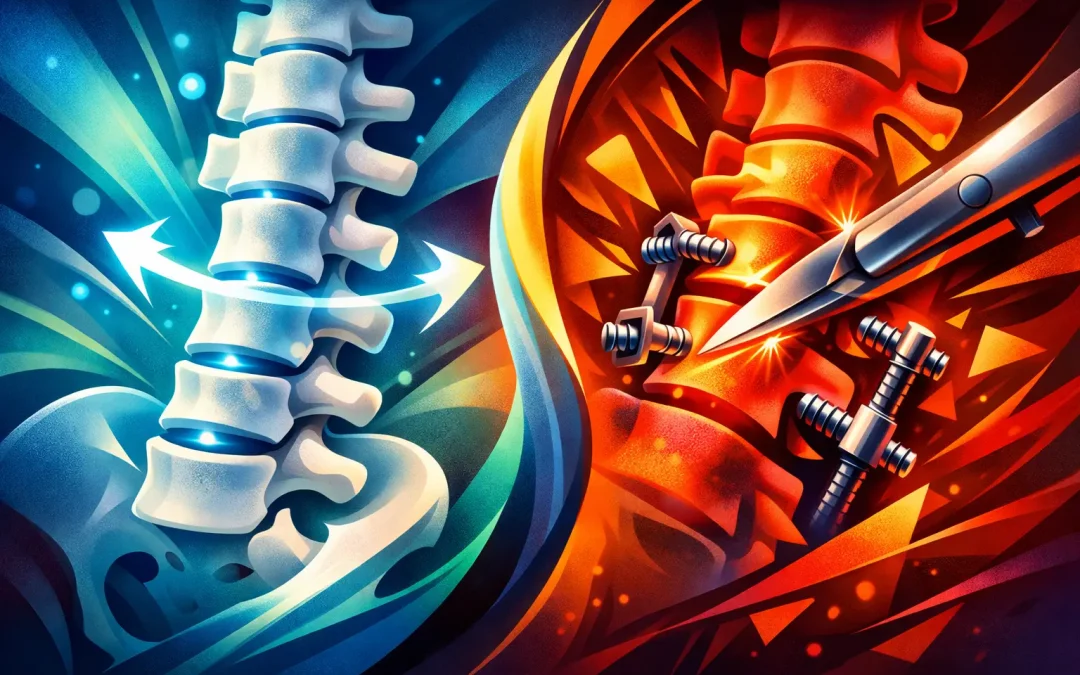
The central difference is straightforward. Non-surgical decompression aims to manage symptoms and improve function without an operation. Back surgery is an invasive medical procedure intended to correct a specific structural problem, such as significant nerve compression, spinal instability, or certain severe disc conditions.
Surgery may involve removing part of a disc, widening space around a compressed nerve, joining vertebrae with a fusion, or another procedure recommended by a spine surgeon. These procedures can be medically necessary and life-changing for the right patient. They also come with real considerations: anesthesia, infection risk, blood clots, scarring, recovery restrictions, time away from work, and the possibility that pain may not fully resolve.
Decompression has a different risk profile because it is non-invasive, but it is not appropriate for everyone. It may be avoided or modified for people with certain fractures, severe osteoporosis, spinal implants, active infection, cancer affecting the spine, or other conditions that make traction unsafe. A qualified clinician should review your history and current symptoms before starting care.
The decision should never be framed as “natural treatment is always better” or “surgery is the only serious option.” The responsible answer depends on the diagnosis, the severity of nerve involvement, your response to conservative care, and the recommendations of the healthcare professionals managing your case.
Signs You Need Prompt Medical Attention
After an accident, some symptoms require urgent medical evaluation rather than a wait-and-see approach. Seek prompt care if you develop new or worsening leg weakness, numbness in the groin or saddle area, loss of bladder or bowel control, severe unrelenting pain, fever with back pain, or trouble walking that is getting worse.
These symptoms can point to serious nerve or spinal conditions that need immediate assessment. They are not situations to manage with home stretching, pain medication alone, or a delayed appointment.
You should also be evaluated quickly if pain started after a crash and is interfering with sleep, work, driving, or normal daily activities. Adrenaline can mask symptoms immediately after an accident. It is common for stiffness, headaches, radiating pain, and limited range of motion to become more noticeable over the next several days.
Why Conservative Care Is Often Tried First
Many back conditions improve with appropriately guided non-surgical treatment. A conservative plan gives the body an opportunity to heal while clinicians track changes in pain, movement, strength, sensation, and daily function. It may also identify whether symptoms respond to rehabilitation or whether a referral for advanced imaging, pain management, orthopedic care, or a surgical opinion is warranted.
This does not mean patients should be pushed through weeks of ineffective care when their condition is deteriorating. It means care should be responsive. If pain is worsening, neurological findings change, or progress stops, the plan needs to be reassessed.
For accident patients, early evaluation has another practical benefit: it establishes a timely record of symptoms, findings, treatment recommendations, and functional limitations. Insurance companies often scrutinize gaps in care and question whether an injury was related to the collision. Your health comes first, but accurate documentation can also protect your injury claim from avoidable confusion later.
Questions to Ask Before Choosing a Path
Before agreeing to decompression therapy or considering surgery, ask what diagnosis is being treated and what evidence supports it. Ask whether imaging is needed, what outcomes are realistic, how long recovery may take, and what would signal that the current plan is not working.
If surgery has been recommended, ask whether there is an urgent reason not to try conservative care first. You can also ask what procedure is proposed, what it is expected to improve, what restrictions follow, and whether a second opinion would be reasonable. A good provider will not take these questions personally. You deserve clear answers before making a major decision about your spine.
If non-surgical decompression is recommended, ask how it fits into a broader rehabilitation plan. The best plan should include measurable goals, such as improved ability to sit, walk, sleep, work, or return to activities – not simply an open-ended series of appointments.
A Recovery Plan Should Be Built Around You
At Atlas Injury Center, patients are evaluated as people with real injuries, work demands, family responsibilities, and accident-related concerns – not as a generic back-pain diagnosis. Some patients may benefit from carefully monitored spinal decompression as part of rehabilitation. Others need a different conservative approach or a timely referral to the appropriate medical specialist.
If back pain began after a collision, do not make the mistake of waiting until symptoms become harder to manage. Call for an evaluation, explain exactly what has changed since the accident, and get a clear plan for your next step. The right care is not about choosing a side in decompression versus surgery. It is about protecting your spine, your function, and your future before more time is lost.