A short drive, a rear-end collision, or a hard impact can turn manageable back stiffness into burning leg pain, numbness, and trouble standing upright. If you already had age-related changes in your spine, an accident may aggravate symptoms you did not feel before. So, can decompression treat spinal stenosis? Spinal decompression may help relieve symptoms for some patients, but it is not a cure-all and is not appropriate for every type or severity of stenosis.
The right answer starts with a careful evaluation. At Atlas Injury Center, that means listening to how the pain began, assessing your movement and nerve-related symptoms, reviewing your accident history, and determining whether conservative care is a safe fit. Do not assume new pain after a crash is “just stenosis” or something you should push through.
What spinal stenosis actually means
Spinal stenosis means there is narrowing in the spaces of the spine. That narrowing can place pressure on the spinal cord or the nerves that travel from the spine into the arms or legs. It is most common in the lower back, called lumbar spinal stenosis, but it can also occur in the neck, called cervical spinal stenosis.
In the lower back, people often describe aching, heaviness, tingling, numbness, or weakness in one or both legs. Walking or standing may make symptoms worse, while sitting or leaning forward may bring relief. Some patients say they can shop only if they lean on a cart. Others notice pain shooting from the low back through the buttock and down the leg.
Stenosis usually develops gradually from disc changes, arthritis, thickened ligaments, or changes in spinal alignment. However, a vehicle accident can inflame tissues, strain supporting muscles, aggravate a disc injury, or make a previously quiet narrowing symptomatic. The timing matters, especially when your health and an injury claim both depend on accurate documentation.
Can decompression treat spinal stenosis symptoms?
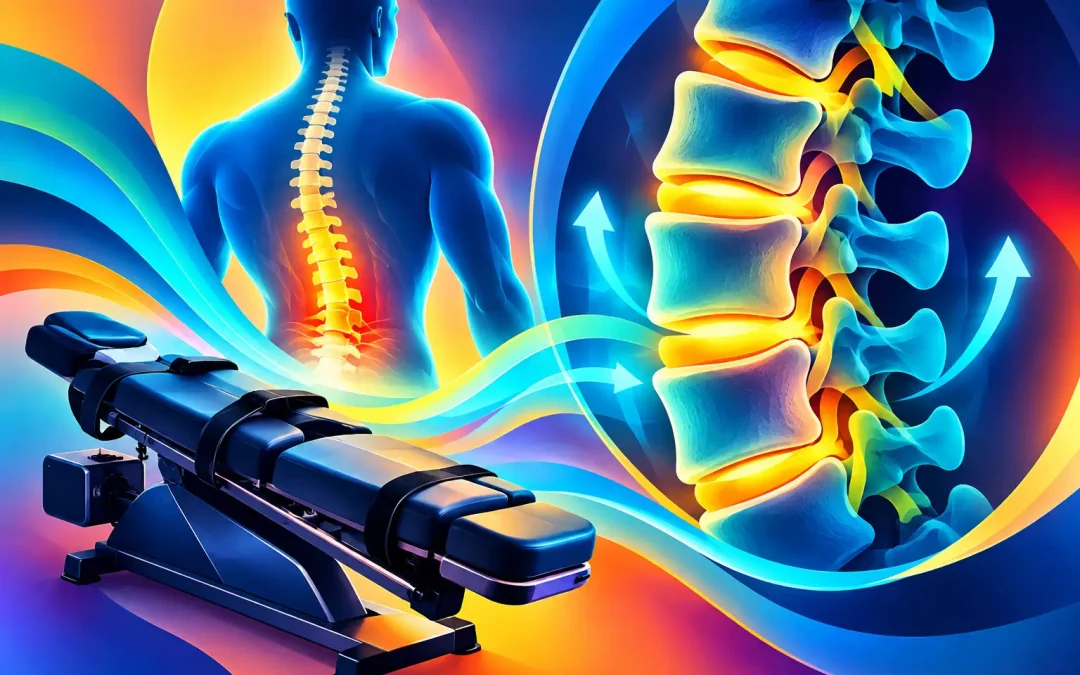
Non-surgical spinal decompression uses a specialized table to apply controlled, gentle traction to the spine. The goal is to create space, reduce mechanical stress on irritated structures, and improve comfort and mobility without surgery. For a properly selected patient, it may be one part of a conservative care plan for lumbar stenosis-related discomfort.
The word “treat” needs context. Decompression does not remove arthritis, reverse every structural change, or guarantee that a narrowed spinal canal will return to normal. What it may do is help reduce pressure-related symptoms, calm muscle guarding, and make it easier for a patient to move and participate in rehabilitation.
Results depend on several factors: the location and severity of the narrowing, whether a disc problem is involved, the presence of nerve weakness, your overall health, and how long symptoms have been present. Someone with mild to moderate lumbar symptoms may respond very differently than someone with severe nerve compression or progressive loss of function.
For many patients, decompression works best when it is not used alone. A personalized plan may also include chiropractic care when appropriate, therapeutic exercise, physical rehabilitation, massage therapy for muscle tension, and education on safer movement. The goal is not simply to get through one appointment with less pain. It is to improve function while protecting an irritated spine from repeated strain.
When decompression may be worth considering
A clinical evaluation may identify decompression as a reasonable option when low back pain is accompanied by leg symptoms, symptoms worsen with loading or prolonged standing, and there are no signs that urgent medical or surgical evaluation is needed. Patients who have not improved with rest alone or who cannot return comfortably to normal activities may also benefit from a guided conservative plan.
After an auto accident, the provider must separate what is new from what may have existed silently before the collision. You may have had spinal narrowing on an old scan and still have had no pain, no limitation, and no need for treatment before the crash. That distinction should be discussed carefully, not guessed at.
A thorough assessment can also reveal when decompression should be delayed or avoided. Recent fracture, spinal instability, certain surgical histories, serious bone weakness, infection, cancer affecting the spine, and some implanted devices or health conditions may change what care is safe. This is why a one-size-fits-all traction program is not responsible injury care.
What a decompression visit can feel like
A spinal decompression session is typically comfortable and controlled. You lie on a specialized table while supports are positioned around the pelvis or torso. The machine applies gradual traction and relaxation cycles designed for your condition and tolerance. Many people feel a mild pulling sensation, but the session should not cause sharp or escalating pain.
Before treatment, your provider should explain what is being done and what sensations to report. During a course of care, progress is measured by more than pain on a single day. Useful changes include walking farther, standing longer, sleeping more comfortably, moving with less guarding, and needing fewer activity modifications.
Some soreness can occur when an injured body begins moving differently, particularly after an accident. But worsening numbness, new weakness, increasing radiating pain, or symptoms that feel distinctly different should be reported immediately. Treatment should be adjusted based on your response, not forced because a preset number of visits was recommended.
Red flags require prompt medical attention
Spinal stenosis can sometimes involve serious nerve compression. Call for urgent medical evaluation if you have new loss of bladder or bowel control, numbness in the groin or inner thighs, rapidly worsening leg weakness, major balance problems, or severe pain after trauma that will not settle. These are not symptoms to manage at home with stretching, massage, or decompression.
Neck symptoms need special caution as well. New hand clumsiness, trouble with coordination, significant weakness, or changes in walking can indicate spinal cord involvement. A provider may need imaging, a medical referral, or a surgical consultation before any manual or traction-based treatment is considered.
After a collision, seek care promptly even if the crash seemed minor. Adrenaline can mask pain, and symptoms can appear or intensify over the next several days. Early evaluation supports better clinical decision-making and creates a clear record of what you experienced, when it began, and how it affected your daily life.
Build a plan around your injury, not a machine
The most effective question is not, “Will decompression fix my stenosis?” It is, “What is causing my symptoms, and what is the safest plan to help me function again?” That plan may include decompression, but it may also require diagnostic imaging, co-management with another healthcare professional, or referral for a higher level of care.
For Tampa Bay accident patients, the details matter. Tell your provider where you were sitting, the direction of impact, whether airbags deployed, what symptoms began at the scene, and what activities you can no longer do comfortably. Be honest about prior back problems, too. Clear information helps protect your health and supports accurate documentation.
Do not wait until pain, numbness, or walking difficulty takes over your routine. If a crash has aggravated back or leg symptoms, call Atlas Injury Center right away for an evaluation. You deserve a clear explanation of your options, a treatment plan built around your condition, and guidance that puts your recovery first.