A heating pad may feel comforting after a car accident. An ice pack may seem like the obvious answer for soreness. But choosing between heat versus ice for injuries is not simply a comfort decision, especially after a collision. The wrong approach can aggravate swelling, mask a developing problem, or delay the professional evaluation your body and injury claim may need.
A rear-end collision, side impact, or even a low-speed fender bender can strain muscles, ligaments, joints, and discs. Adrenaline may hide pain at the scene, then stiffness, headaches, neck pain, low back pain, or shoulder pain may appear hours or days later. Before treating yourself at home for too long, get evaluated. A prompt exam helps identify the source of your pain and creates medical documentation from the start.
Heat Versus Ice for Injuries: The Basic Difference
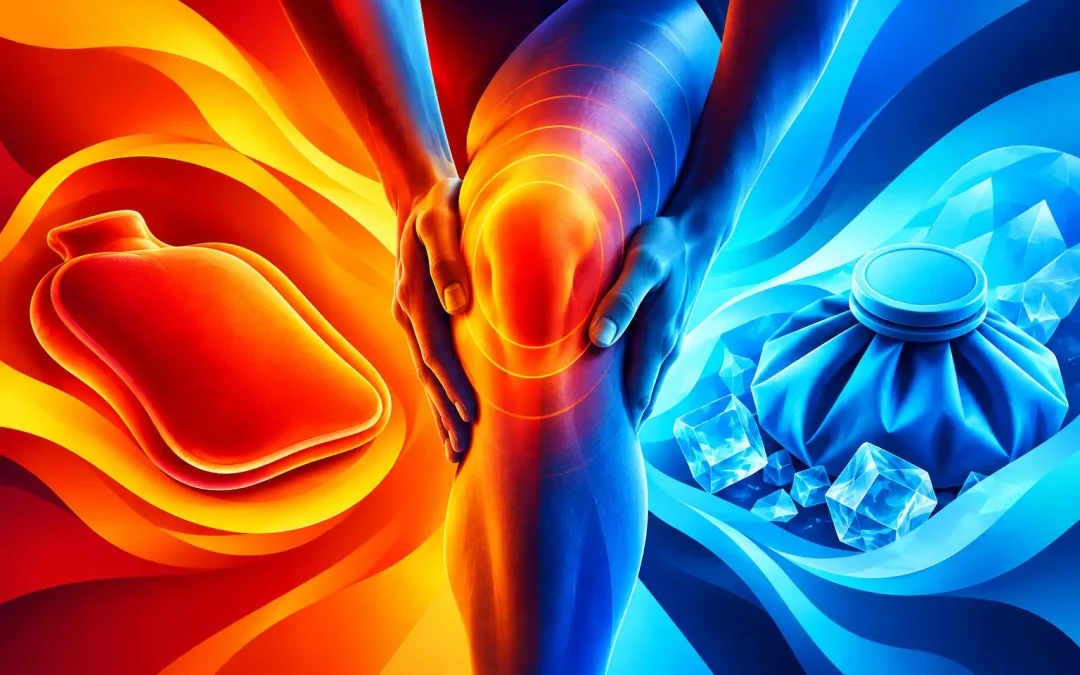
Ice is generally used to calm a fresh injury. It narrows blood vessels temporarily, which can help limit swelling and reduce pain signals in the early phase. Heat does the opposite. It increases circulation and relaxes tight tissues, which can make it useful for stiffness and muscle guarding after the initial inflammation has settled.
Neither is a cure for an accident injury. An ice pack cannot realign a joint, rehabilitate a strained ligament, or determine whether neck pain is related to whiplash, a disc injury, or a more serious condition. Heat cannot fix a damaged structure simply because it makes an area feel looser. Think of both as short-term comfort tools, not a replacement for an individualized treatment plan.
The timing matters, but so do your symptoms. Swelling, warmth, bruising, and sharp pain call for a different approach than lingering tightness without swelling. That is why one-size-fits-all advice can be a mistake after a crash.
When Ice May Be the Better Choice
Ice is often appropriate during the first 24 to 72 hours after a new injury when there is visible swelling, bruising, tenderness, or a hot, throbbing feeling. It may help after an accident-related strain or sprain, a bumped knee, a sore shoulder, or a fresh flare-up following activity.
Use a cold pack for about 15 to 20 minutes at a time, with a thin towel between the pack and your skin. Then allow the skin to return to its normal temperature before repeating. Do not fall asleep with an ice pack on, and do not apply ice directly to bare skin. Cold injury is possible, particularly if sensation is reduced.
Ice may also provide temporary relief after a therapy session or exercise if a specific area feels newly irritated. However, increased pain after activity is information. Do not keep icing repeatedly just to push through symptoms. Tell your provider so your rehabilitation plan can be adjusted safely.
Avoid using ice without medical guidance if you have circulation problems, certain nerve conditions, cold sensitivity, or reduced feeling in the treatment area. If you are unsure, ask before using it.
When Heat Can Help Tight, Guarded Muscles
Heat is usually more helpful after the acute swelling phase, particularly when you are dealing with muscle tightness, stiffness, or protective spasms. After a collision, the muscles in the neck, upper back, low back, and hips often tighten to guard the injured area. Gentle heat can make movement more comfortable and prepare your body for prescribed stretching, rehabilitation exercises, or hands-on treatment.
A warm shower, heating pad, or moist heat pack can be used for 15 to 20 minutes at a time. The goal is gentle warmth, not intense heat. Keep the setting low to moderate, use a barrier between the device and your skin, and never sleep with a heating pad. People with diabetes, impaired sensation, poor circulation, or certain skin conditions should be especially cautious.
Do not apply heat to a newly swollen, bruised, or visibly inflamed area. Heat may increase blood flow and make swelling worse. If your shoulder is puffy after a crash or your back pain has a hot, acute quality, cold and a professional evaluation may make more sense than heat.
The Gray Area After an Auto Accident
The simple rule of ice for fresh swelling and heat for stiffness is useful, but auto accident injuries are rarely simple. You may have swelling in one area and muscle guarding in another. Your low back may feel tight, while a shoulder injury is still inflamed. You may also wake up several days after the crash feeling worse than you did initially.
Alternating cold and heat is sometimes recommended, but it should not become guesswork. In the wrong situation, switching temperatures can irritate sensitive tissue or create false confidence that the injury is improving when it is not. A clinician can assess your range of motion, neurological signs, posture, strength, and tenderness to determine whether cold, heat, movement therapy, manual care, or further medical evaluation is appropriate.
This matters for more than comfort. Persistent pain can change how you move, sleep, work, and drive. When the body compensates for one painful area, other muscles and joints can become overloaded. Early, directed care gives you a better chance to restore normal movement before those compensations become a longer-term problem.
Do Not Use Heat or Ice to Ignore Warning Signs
Call for medical help right away or seek urgent evaluation if you have severe or worsening pain, numbness or tingling, weakness, loss of coordination, a severe headache, confusion, dizziness, vision changes, chest pain, shortness of breath, abdominal pain, or loss of bladder or bowel control. These symptoms need more than home care.
The same is true if pain begins after a crash and continues to build over the next day or two. Delayed symptoms are common with whiplash and soft-tissue injuries, but they still deserve attention. Waiting because you expect soreness to disappear can make recovery harder and can leave a gap in the records needed to show how the accident affected you.
If you were involved in a motor vehicle accident, do not let the absence of broken bones convince you that you are fine. Many significant injuries involve muscles, ligaments, discs, and nerves, and they may not be obvious at the scene.
A Better Plan Than Treating Yourself at Home
Use cold or heat carefully for temporary symptom relief, but make evaluation your next step. At Atlas Injury Center, patients receive a focused assessment and a recovery plan based on their specific injuries, symptoms, daily demands, and accident history. Care may include chiropractic treatment, physical rehabilitation, massage therapy, clinical Pilates, spinal decompression, and guided therapeutic exercise when clinically appropriate.
Just as important, your progress should be documented clearly. After an accident, treatment records help other healthcare providers understand your condition and can support the medical side of a personal injury case. Do not make the mistake of relying on home remedies while pain, stiffness, or headaches continue.
Let Your Symptoms Guide the Next Call
If an area is freshly swollen or bruised, use cold briefly and protect it. If swelling has settled and your muscles feel tight and guarded, gentle heat may help you move more comfortably. But if you are deciding between the two because pain is not improving, that is your signal to stop experimenting at home.
Call for an injury evaluation as soon as possible after a crash. The right treatment starts with knowing what is actually injured, then giving your body the support it needs to recover safely and completely.